
Morning Joint Stiffness? 7 Signs Your Joints
Need Support
SEO META INFORMATION
Meta Title: Morning
Joint Stiffness? 7 Warning Signs Your Joints Need Support
Meta Description: Waking up with stiff joints? These 7 evidence-based warning signs —
from morning stiffness to clicking sounds and weather flare-ups — reveal when
your joints need natural support.
Focus Keyword: morning joint stiffness
Secondary Keywords: The signs your joints need support, joint stiffness causes,
early signs of arthritis, joint support supplements, stiff joints in the
morning
URL Slug: morning-joint-stiffness-7-signs-joints-need-support
Morning Joint Stiffness? 7 Signs
Your Joints Need Support
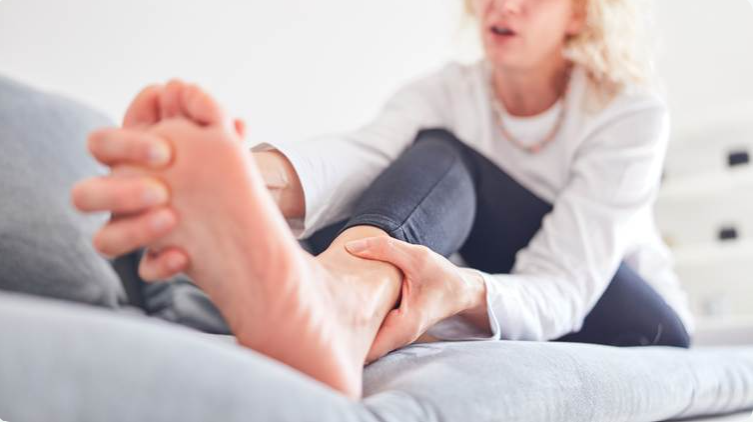
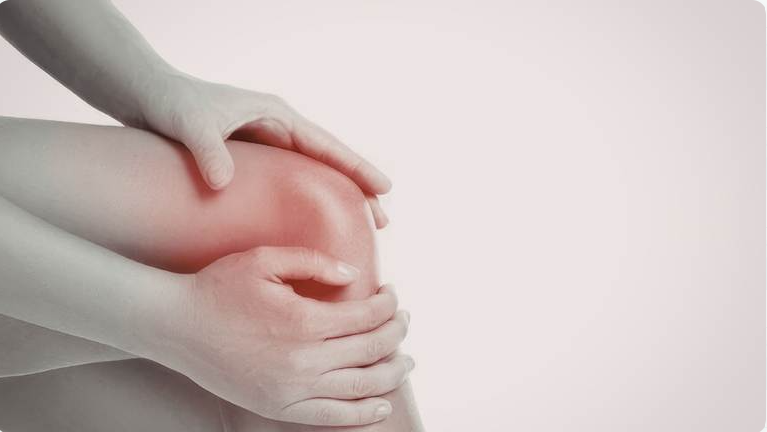
Joint pains usually start small. You roll out of bed, and your knees feel tight. Your fingers don't quite curl the way they used to. Your lower back needs a minute to cooperate. You tell yourself it's just age, or that you slept funny, and you move on.
But need to notice one thing — your joints
rarely ache for no reason. Morning stiffness and subtle changes in joint
behavior are among the earliest signals that the cartilage, fluid, and
supporting tissues inside your joints need help. Catching these signs early,
before they turn into daily pain, is the difference between simple natural
support and long-term disability.
According to PubMed, a 2023 review in JAMA
notes that osteoarthritis now affects an estimated 654 million people worldwide
— and the earliest telltale sign is often simply activity-related joint pain
with brief morning stiffness. [1]
This article breaks down the 7 most important
warning signs that your joints are asking for support — each grounded in the
latest peer-reviewed research. If you recognize two or more of these, it's time
to take your joint health seriously.
What Actually Causes Morning Joint
Stiffness?
When you sleep, your joints stay still for
hours. Synovial fluid — the natural lubricant inside your joints — becomes
thicker, almost gel-like. Inflammatory chemicals that build up during the night
irritate the joint lining. And if your cartilage is already thinning, the first
few movements of the day feel rough, creaky, and slow.
The study in the year 2025, the study in Science
Translational Medicine identified a specific molecular driver (TRIM15)
behind cartilage cell aging slowly, confirming that joint stiffness isn't just
wear and tear — it's an active biological process of cellular senescence that
can be slowed with the right interventions. [8]
The good news: most morning stiffness is
reversible, especially in the early stages. The key is recognizing the warning
signs before real damage sets in.
The 7 Warning Signs Your Joints
Need Support
Below are seven research-backed signs that
your joints are struggling. They don't all mean the same thing, but together
they paint a clear picture of whether you need to act.
Sign 1: The Morning Stiffness Which
Lingers Past 30 - 40 Minutes
The morning stiffness is really a big
problem, you know, the 2023 JAMA article found that morning stiffness
lasting less than 30 -40 minutes is a strong clinical indicator of knee
osteoarthritis in adults over 45. When stiffness regularly lingers beyond this
window, it often signals deeper joint inflammation that deserves attention. [1]
What to notice: Time how long
your stiffness lasts for three consecutive mornings. If it's over 30 minutes
most days — or if both sides of the body feel stiff — your joints need support.
Sign 2: Clicking, Popping, or
Grinding Sounds (Crepitus)
Sometimes, there is an unmistakable
"crack" when you squat, bend your knee, or roll your shoulder. In
medical terms, it's called crepitus — and while occasional clicks are harmless,
consistent grinding or popping accompanied by discomfort is a different story.
According to a 2023 clinical review in Cureus,
crepitus is listed among the hallmark symptoms of osteoarthritis — alongside
pain, restricted movement, asymmetrical joint swelling, and changes in gait.
When the smooth cartilage surface wears down, bones and tissues don't glide as
cleanly, producing these sounds. [2]
What to notice: If clicking is
paired with pain, swelling, or a feeling of "catching" inside the
joint, your cartilage likely needs nutritional and movement support.
Sign 3: Your Joints Stiffen After
Sitting (The "Gelling" Effect)
You sit through a meeting, a long drive, or a
movie — then you stand up, and your knees or hips feel locked. This is called
the "gelling phenomenon," and it's a subtle but telling early sign of
joint trouble.
A good study published in 2025 in JSAMS
Plus measured knee stiffness in adults during prolonged sitting.
Participants began experiencing noticeable knee stiffness after just 30
minutes of sitting still, with clinically significant stiffness setting in
by 60 minutes. Crucially, moving the joint — even while still seated — relieved
the stiffness. [3]
Need to observe: Example, if you're
standing up after sitting for an hour, it feels like your joints need to
"unlock," you're sometimes experiencing gelling. Frequent movement
breaks and targeted joint support can reverse this.
Sign 4: Visible Swelling, Warmth,
or Redness Around a Joint
Healthy joints aren't puffy, warm to the
touch, or flushed. When any of these appear, it means active inflammation is
happening inside the joint — and it shouldn't be ignored.
A 2024 study in Orthopedic Clinics of
North America emphasized that inflammatory joint conditions present with
the classic quartet of pain, swelling, warmth, and redness (erythema) —
experience with these four symptoms results in a real attack on the joint and
immune system. [4]
What to notice: Compare the
joint to the opposite side of your body. Noticeable swelling, heat, or redness
— especially with sudden onset — warrants medical evaluation in addition to
long-term joint support.
Sign 5: Decreased Range of Motion
(ROM) of Joints
Just check whether you can touch your toes?
Squat fully? Comfortably reach overhead? In case your joints don't move the way
they did five years ago, something has shifted.
A nice article, A 2024 longitudinal study in
the Journal of Clinical Medicine tracked older adults with knee
osteoarthritis across seasons. It found significant effects of season and time
of day on both pain, stiffness, and total knee range of motion — confirming
that joint mobility is dynamic and responds to both weather and lifestyle
factors, not just age. [5]
What to notice: Check a simple
self-test: Is it possible to fully bend each knee, well rotate both shoulders,
and flex your fingers without any pain or discomfort? Any kind of noticeable
loss of movement compared to a year ago is a sign to intervene.
Sign 6: Your Joints
"Feel" the Weather
Your grandmother wasn't imagining it. When
rain is coming, or a cold front moves in, aching joints really do flare up —
and now we have solid evidence.
A relevant study, a 2023 systematic review
and meta-analysis published in Annals of Medicine, analyzed 14
observational studies and confirmed that weather conditions are significantly
associated with osteoarthritis pain. Low temperature and higher barometric
pressure/humidity correlated with more intense joint pain. [6]
What to notice: Joints that
flare up during cold, rainy, or humid weather are signaling heightened
sensitivity inside the joint capsule — a sign that anti-inflammatory
nutritional support could make a real difference.
Sign 7: You May Still Be Reaching
for Painkillers More Often Than You Used To
Perhaps the clearest warning sign of all is
behavioral: you used to take an occasional pain reliever. Now it's a weekly
habit. Or a daily one. This quiet escalation is a red flag your body is giving
you.
A 2025 study in RMD Open demonstrated
that patient-reported changes — Along with increased pain, stiffness, and
medication needs for quick relief — are among the most reliable early warning
signs of joint disease flare-ups, with predictive accuracy above 80%. [7]
What to notice: Track your pain
reliever use for two weeks. If you've increased how often you take them
compared to a year ago, your joints are asking for a more sustainable solution
— not more pills.
Why Acting Early Makes Such a Big
Difference
For using painkillers, A 2025 narrative
review in Frontiers in Medicine emphasized that oral painkillers have
limited efficacy and serious side effects, making them suitable only as
short-term or rescue therapy. Nonpharmacological interventions — exercise,
weight management, heat therapy, and nutritional supplements — are the
cornerstone of long-term joint health. [9]
In plain language: your joints need real
support, not masking. And the earlier you start, the more cartilage and
mobility you can preserve.
How to Naturally Support Your
Joints
If you've noticed 2 or more of the 7 signs
above, here's what the latest research recommends — in order of evidence
strength:
1. Slowly Move, Gently but Often
Low-impact daily movement is the single most
studied intervention for joint health. Walking, swimming, cycling, Pilates, Tai
Chi, and gentle yoga all improve joint lubrication, build supporting muscles,
and reduce stiffness. Short movement breaks during long sitting hours are just
as important — even a 2-minute stretch every hour helps.
2. Build and strengthen the Muscles
Around Your Joints
When strong muscles act like natural shock
absorbers. Quadriceps exercises for knees, core work for the lower back, and
rotator cuff exercises for shoulders all reduce joint stress and stiffness.
3. Use Proven Natural Supplements
A comprehensive 2025 network meta-analysis in
Nutrients compared seven popular joint supplements across 39 randomized
trials (4,599 patients). Boswellia ranked highest for both pain and
stiffness relief, with curcumin, ginger, collagen, and krill oil also
showing meaningful benefits — and no supplement showed increased adverse events
versus placebo. [12]
Another good study, a 2023 randomized,
double-blind, placebo-controlled trial published in Nutrients, found
that MSM (methylsulfonylmethane) at 2,000 mg daily for 12 weeks
significantly improved knee quality of life and reduced mild knee pain in
healthy adults. [11]

A good, nice, science-backed option:
·
Boswellia (Shallaki): Best overall-ranked supplement for joint pain and stiffness
·
Curcumin (Turmeric extract):
Strong anti-inflammatory action; choose forms with
enhanced bioavailability
·
Undenatured Type II Collagen
(UC-II): Which supports cartilage repair at just 40
mg daily and continues to be recommended
·
MSM: Reduces general joint discomfort and supports systemic
anti-inflammatory response
·
Ginger extract: This ginger, which reduces inflammation, needs anti-inflammatory
support, especially helpful for morning stiffness
·
Omega-3 / krill oil: Reduces systemic inflammation fueling joint pain
Kind Note: A 2023 meta-analysis showed that glucosamine
and chondroitin did not add significant benefit when combined with exercise
alone, because they need proper nutrition — meaning movement matters more than
any single pill. [10]
👉 Explore our complete range of
research-backed joint support supplements — Boswellia, Curcumin, Collagen, MSM,
and more: [Insert Product Link]
4. To be real address Inflammation
from the Inside Out
Your diet fuels — or fights — joint
inflammation. Focus on oily fish, leafy greens, berries, olive oil, nuts, and
spices like turmeric and ginger. Cut back on refined sugar, fried foods, and
processed meats. A Mediterranean-style eating pattern has consistent research
backing for joint health.
5. Warm Baths, Stretching, and Heat
Packs for relief
Try morning warm showers, gentle stretching
for joint freedom, and a warm heating pad for 10 minutes before getting out of
bed, which can dramatically reduce morning stiffness within days.
When you can see a Doctor
Natural support works wonders for everyday
joint stiffness. But certain signs require prompt medical attention:
·
Severe joint swelling, deep
warmth, or redness — especially if it comes on suddenly
·
Morning stiffness lasting more
than an hour, on most days, for several weeks
·
Joint deformity, locking, or
the feeling that a joint is "giving way."
·
Fever accompanying joint pain
·
Unexplained weight loss
alongside joint symptoms
·
Pain that disturbs the quality
of sleep or interferes with daily tasks becomes a hurdle despite consistent
home care.
These may indicate rheumatoid arthritis,
infection, or another condition needing specialist evaluation.
References (Latest PubMed-Indexed
Research)
All references below are peer-reviewed
articles indexed in PubMed, the U.S. National Library of Medicine's biomedical
database. Click any DOI link to read the original study.
1. Duong V, Oo
WM, Ding C, Culvenor AG, Hunter DJ (2023). Evaluation and treatment of knee
pain: a review. JAMA, 330(16), 1568–1580. DOI: 10.1001/jama.2023.19675
2. Mintarjo
JA, Poerwanto E, Tedyanto EH (2023). Current non-surgical management of knee
osteoarthritis. Cureus, 15(6), e40966. DOI: 10.7759/cureus.40966
3. Kovats A,
Thom JM (2025). Time course of perceived knee stiffness following prolonged
sitting in healthy adults. JSAMS Plus, 6, 100124. DOI: 10.1016/j.jsampl.2025.100124
4. Pargas-Colina
CD (2024). Transient/toxic synovitis. Orthopedic Clinics of North
America, 55(4), 471–477. DOI: 10.1016/j.ocl.2024.04.004
5. Iconaru EI,
Tarcau E, Ciucurel C (2024). The influence of weather conditions on the
diurnal variation in range of motion in older adults with knee osteoarthritis.
Journal of Clinical Medicine, 13(1), 254. DOI: 10.3390/jcm13010254
6. Wang L, Xu
Q, Chen Y, Zhu Z, Cao Y (2023). Associations between weather conditions and
osteoarthritis pain: a systematic review and meta-analysis. Annals of
Medicine, 55(1), 2196439. DOI: 10.1080/07853890.2023.2196439
7. Gumber L,
Rayner F, Bigirumurame T, et al. (2025). Patient-reported outcomes as early
warning signs of flare following drug cessation in rheumatoid arthritis.
RMD Open, 11(2). DOI: 10.1136/rmdopen-2025-005442
8. Li Z, Zhang
W, Wei XY, et al. (2025). TRIM15 drives chondrocyte senescence and
osteoarthritis progression. Science Translational Medicine, 17(791),
eadq1735. DOI: 10.1126/scitranslmed.adq1735
9. Shtroblia
V, Petakh P, Kamyshna I, Halabitska I, Kamyshnyi O (2025). Recent advances
in the management of knee osteoarthritis: a narrative review. Frontiers in
Medicine, 12, 1523027. DOI: 10.3389/fmed.2025.1523027
10. Čeh T,
Šarabon N (2023). Effects of adding glucosamine or glucosamine combined with
chondroitin to exercise on pain and physical function in adults with knee
osteoarthritis: a systematic review and meta-analysis. European Journal of
Translational Myology, 33(4). DOI: 10.4081/ejtm.2023.12013
11. Toguchi A,
Noguchi N, Kanno T, Yamada A (2023). Methylsulfonylmethane improves knee
quality of life in participants with mild knee pain: a randomized,
double-blind, placebo-controlled trial. Nutrients, 15(13), 2995. DOI: 10.3390/nu15132995
12. Zhang Y,
Gui Y, Adams R, Farragher J, Itsiopoulos C, Bow K, Cai M, Han J (2025). Comparative
effectiveness of nutritional supplements in the treatment of knee
osteoarthritis: a network meta-analysis. Nutrients, 17(15), 2547. DOI: 10.3390/nu17152547
Related Articles You May Like
·
Best Natural Ways to Reduce
Knee Pain Without Daily Painkillers — Insert
Internal Link
·
Why Joint Pain Starts After
40 and What You Can Do Naturally — Insert
Internal Link
·
Boswellia vs. Curcumin:
Which Is Better for Your Joints? — Insert
Internal Link
·
Top 10 Foods That Fight
Joint Inflammation — Insert Internal Link
Disclaimer
The information provided in this article is
for general educational and informational purposes only. It is not intended as
a substitute for professional medical advice, diagnosis, or treatment. While we
strive for accuracy based on the latest peer-reviewed research, individual
results vary based on personal health, lifestyle, genetics, and existing
conditions. Always use your own judgment and consult appropriate professionals
before making significant changes to your health routine.
Medical Disclaimer
The information provided on this site,
including this article, is not intended to diagnose, treat, cure, or prevent
any disease. The statements made have not been evaluated by any national
medical regulatory authority. The information discussed the natural remedies,
supplements, exercises, and lifestyle suggestions mentioned should not replace
consultation with a qualified healthcare provider, physician, physiotherapist,
or registered medical practitioner. If you are pregnant, nursing, taking
medication, have a pre-existing medical condition (including but not limited to
diabetes, kidney disease, liver disease, bleeding disorders, autoimmune
conditions, or are on blood thinners), or are scheduled for surgery, please
consult your doctor before starting any new supplement, diet, or exercise
regimen. Stop any supplement or exercise immediately if you experience adverse
reactions and seek medical attention. In cases of severe, persistent, or
worsening joint symptoms — especially sudden swelling, redness, fever, or joint
deformity — seek medical attention promptly. We do not accept liability for any
adverse effects resulting from the use of information presented in this
article. The article references peer-reviewed research from PubMed (U.S.
National Library of Medicine) for informational purposes; it does not claim
endorsement by the authors of those studies.
If
this article helped you recognize warning signs in your own joints, share it
with someone who might need it. Your morning doesn't have to start with
stiffness.