
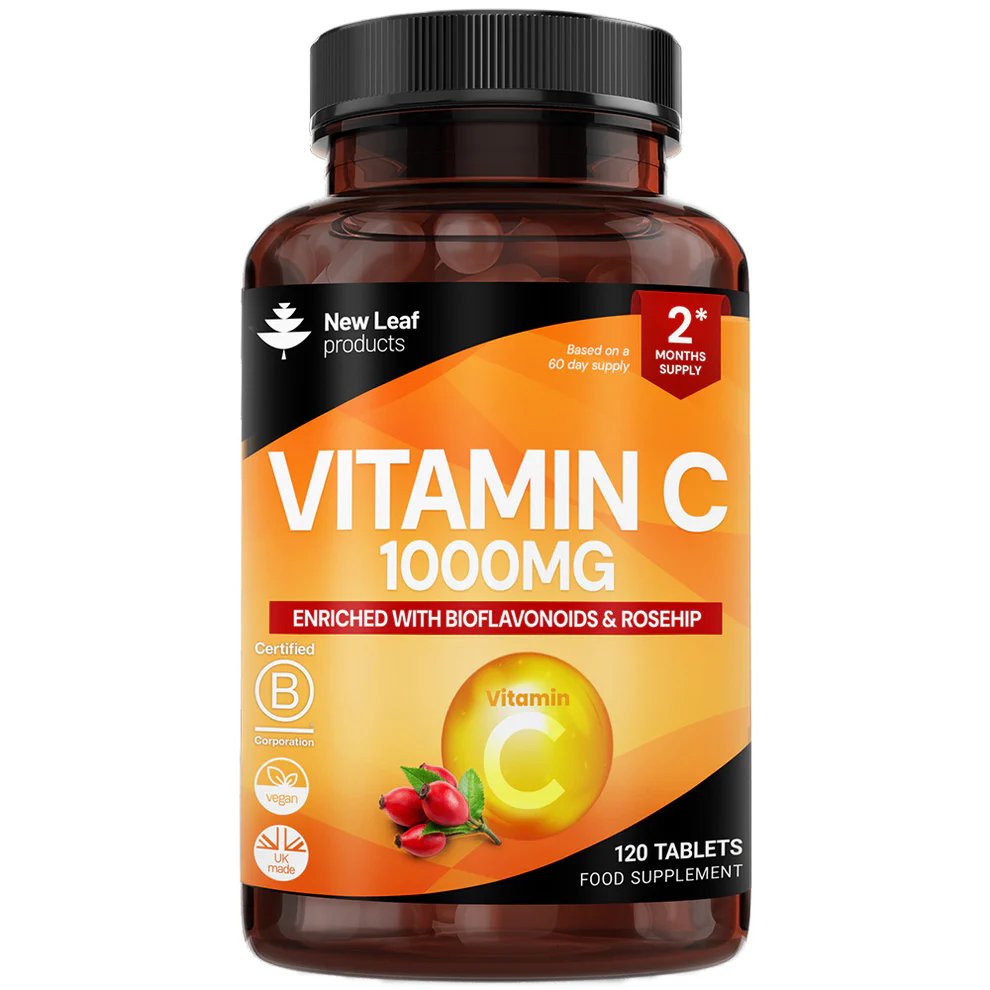
vitamin B12
Content About Vitamin B12
Introduction
Vitamin B12, also known as cobalamin, is an important nutrient that supports many vital functions in the body. It helps keep the body's nerve and blood cells healthy and is essential for the formation of DNA, the genetic material in all cells. Since the body cannot produce Vitamin B12 on its own, it must be obtained through diet or supplements.
Importance of Vitamin B12
Vitamin B12 plays several key roles in maintaining good health. It helps in the production of red blood cells, which carry oxygen throughout the body. It also supports the nervous system and contributes to proper brain function. Adequate levels of Vitamin B12 help maintain energy levels and reduce fatigue.
Benefits of Vitamin B12
Some important benefits of Vitamin B12 include:
Helps produce healthy red blood cells
Supports brain and nerve function
Helps prevent certain types of anemia
Supports energy production
Contributes to DNA synthesis
Sources of Vitamin B12
Vitamin B12 is mainly found in animal-based foods, including:
Meat (beef, chicken)
Fish and seafood
Eggs
Milk and dairy products
Fortified cereals
Deficiency of Vitamin B12
A lack of Vitamin B12 can lead to health problems such as fatigue, weakness, anemia, nerve damage, and memory issues. People who follow strict vegetarian or vegan diets may be at a higher risk of Vitamin B12 deficiency and may need supplements.
Conclusion
Vitamin B12 is a vital nutrient that supports red blood cell production, nerve health, and energy levels. Consuming foods rich in Vitamin B12 or taking supplements when necessary helps maintain overall health and proper body function.